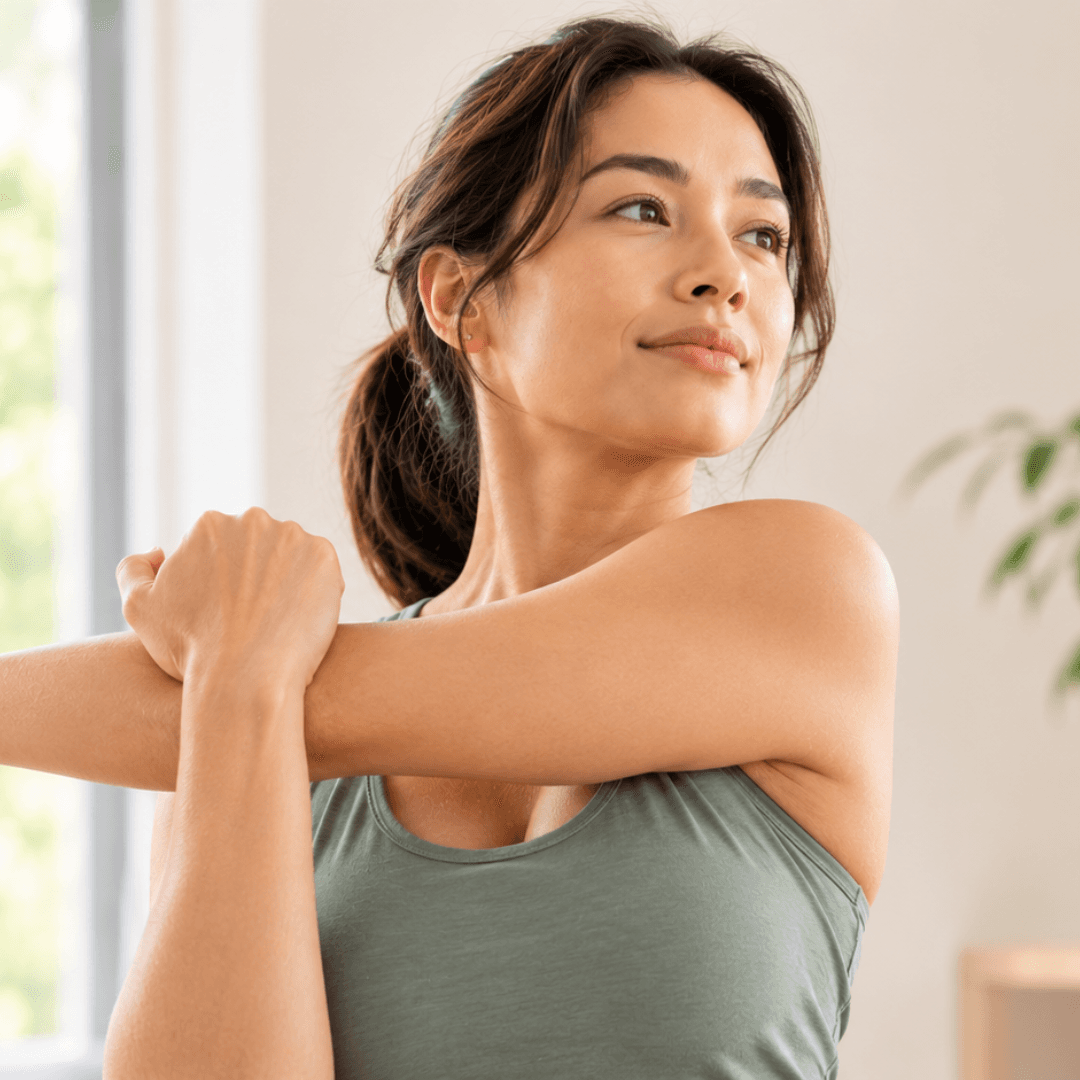
Discover how dry needling and massage therapy may complement each other to support muscle comfort, movement, and physical recovery in Atlanta.
When your body feels tight, restricted, or uncomfortable, one treatment approach may not always address every part of the experience.
You might have heard of dry needling and massage therapy as separate ways to support muscle health. But can they be used together?
The answer is yes. When appropriate for an individual's needs, dry needling and massage therapy may complement one another. While they use different techniques, both can play a role in addressing muscular discomfort and supporting more comfortable movement.
Understanding how each works can help you make more informed decisions about your care.
What Does Dry Needling Do?
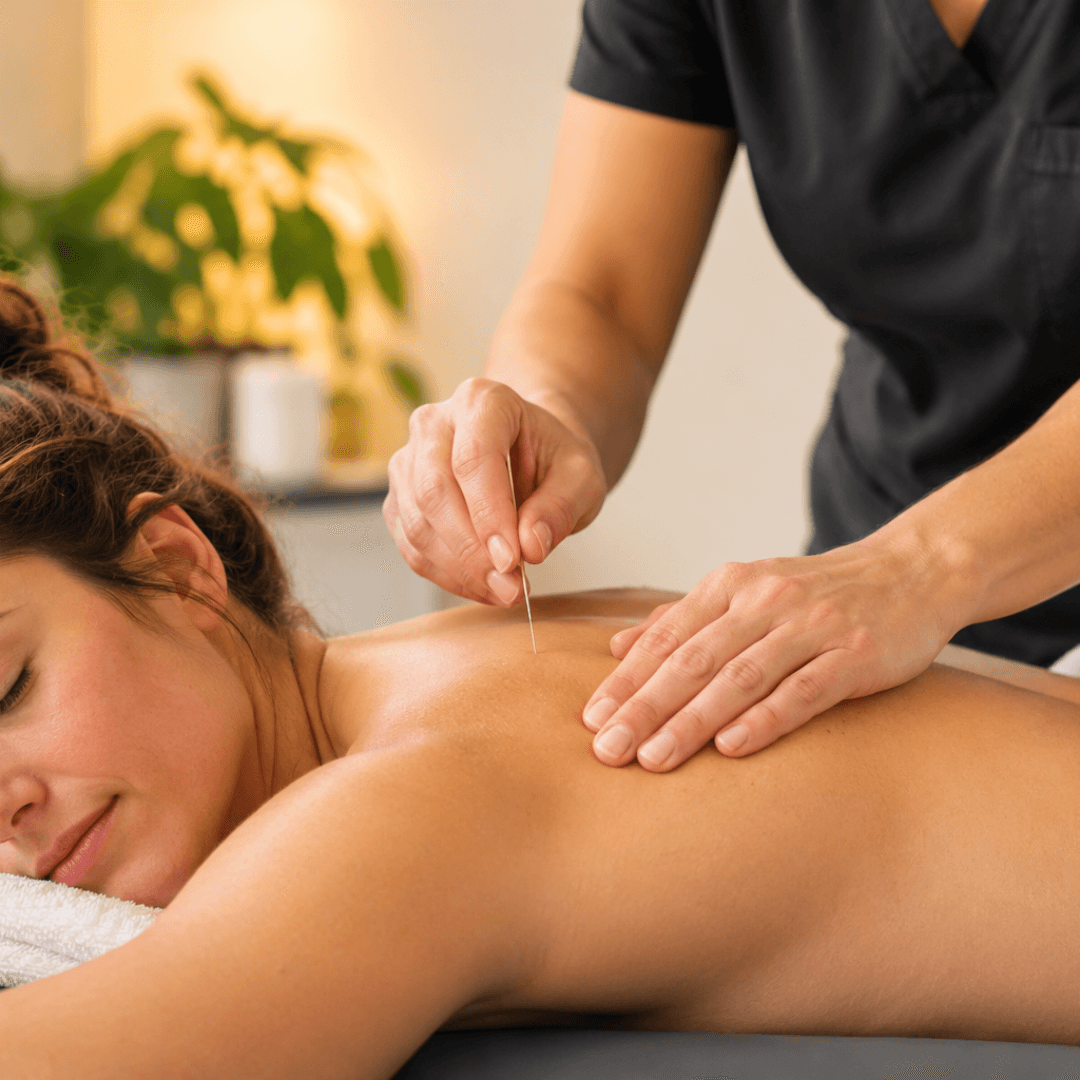
Dry needling is a technique performed by a trained and qualified practitioner using thin, sterile needles inserted into specific areas of muscle tissue.
It is commonly used to address myofascial trigger points, which are sensitive areas within muscle that may contribute to localized discomfort or referred pain.
Depending on the individual and the treatment plan, dry needling may help:
Address sensitive or tight areas within muscles.
Reduce certain types of muscular discomfort.
Support improvements in movement and function.
Complement a broader rehabilitation or pain-management plan.
Dry needling is different from acupuncture, even though both use thin needles. They are based on different frameworks and treatment approaches.
How Does Massage Therapy Complement It?
Massage therapy uses hands-on techniques to work with muscles and other soft tissues.
Depending on the technique and pressure used, massage may help ease the sensation of muscular tightness, encourage relaxation, and improve awareness of areas that feel overworked.
Massage can be particularly useful when discomfort involves more than one area or when someone wants a broader, hands-on approach to physical care.
Unlike dry needling, massage does not involve needles. Its approach is based on manual contact and techniques selected according to the person's comfort and needs.
Why Combine Dry Needling and Massage?
The two therapies address the body in different ways.
Dry needling focuses on specific muscle areas, while massage can work across broader regions of soft tissue.
When a qualified practitioner determines that both are appropriate, combining them may offer a more comprehensive approach to muscular care.
For example, someone experiencing shoulder discomfort may have a particularly sensitive muscle area as well as general tightness around the surrounding shoulder and upper back.
A treatment plan may address the specific area with dry needling and incorporate massage to work with surrounding tissues.
The goal is not to use more treatment simply for the sake of it. It is to select techniques that make sense for the individual's condition, comfort, and goals.
Should You Get Massage Before or After Dry Needling?
There is no single sequence that works for everyone.
The timing and order depend on the treatment goals, the areas being addressed, individual sensitivity, and the practitioner's clinical judgment.
Some people may benefit from separate appointments, while others may be suitable for a carefully planned combination.
It's also important to consider how your body responds. Temporary soreness or tenderness can occur after dry needling. Applying massage immediately afterward may not be appropriate in every situation, particularly if the treated area is sensitive.
Your practitioner should explain the recommended approach and allow adequate time for recovery.
Is Combining Both Therapies Right for You?
Dry needling and massage may be worth discussing if you experience:
Recurring muscular tightness or discomfort.
Restricted movement in certain areas.
Physical strain from repetitive activities.
Muscle soreness associated with exercise or daily routines.
Discomfort that requires a more individualized treatment approach.
However, combining therapies isn't necessary for everyone. A qualified practitioner should review your symptoms, medical history, and treatment goals before recommending care.
Seek medical advice for unexplained, severe, or worsening pain, or symptoms such as numbness, weakness, or significant swelling.
A More Thoughtful Approach to Muscle Care
Dry needling and massage therapy don't have to be competing options. When appropriately selected, they can complement each other as part of an individualized approach to physical well-being.
At Art of Healing, we recognize that every body has different needs. Our approach considers the person as a whole, with care guided by comfort, individual goals, and the techniques most appropriate for each situation.
If you're exploring dry needling or massage therapy in Atlanta or Sandy Springs, Georgia, our team can help you learn more about your options.
Want to talk this through with a practitioner?
Book an appointment