Discover what happens when a dry needle reaches a sensitive muscle area, why a brief muscle twitch may occur, and how the neuromuscular system responds.
Have you ever wondered why a muscle sometimes makes a quick, involuntary twitch during dry needling?
The needle goes in, a small part of the muscle suddenly contracts, and then the sensation passes. For some people, it feels like a tiny jump beneath the skin. For others, it may feel like a brief cramp or a deep ache.
It can be surprising, especially if you weren't expecting your muscle to move on its own.
But what's actually happening?
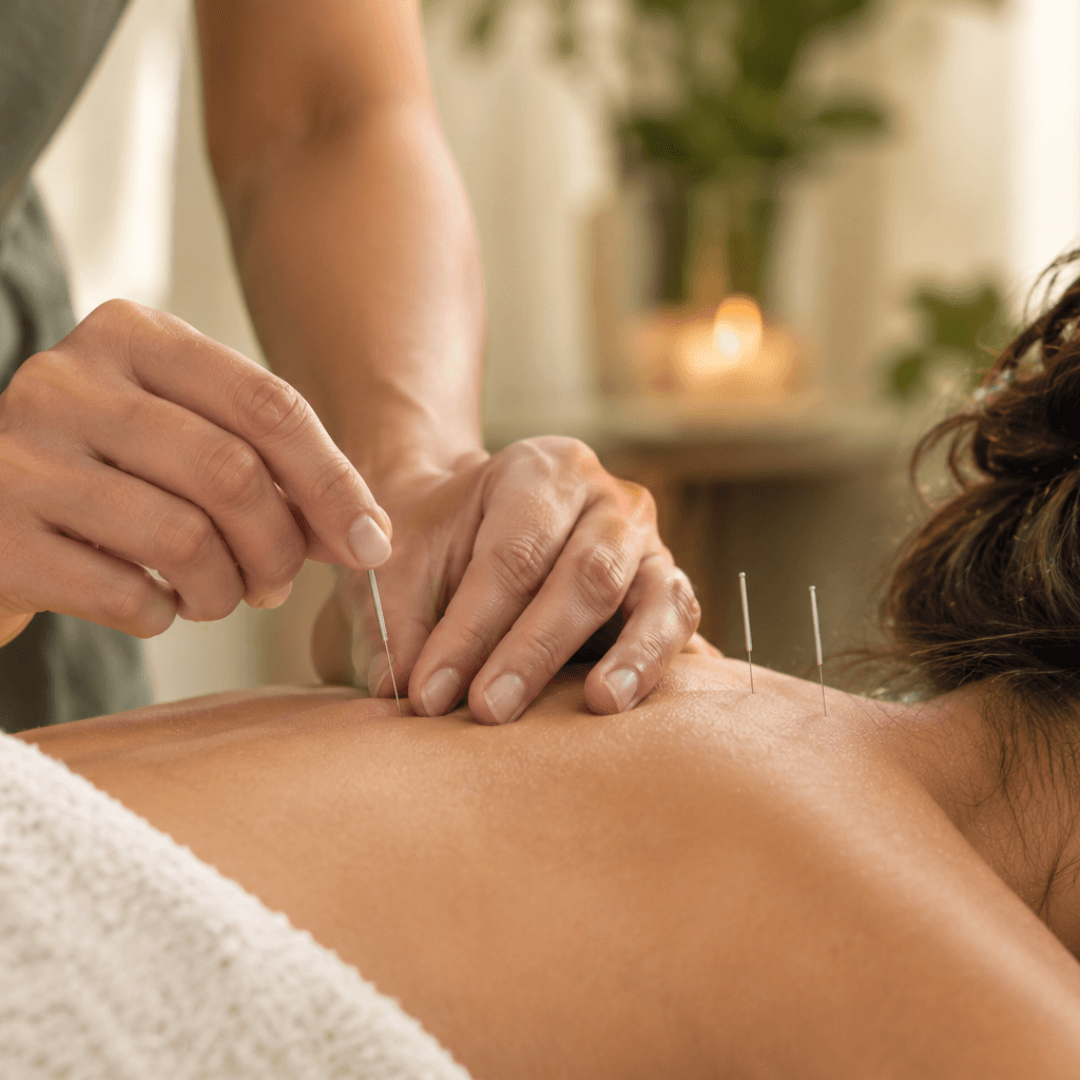
Dry needling involves inserting a thin, solid needle into targeted muscle tissue, often in areas associated with pain, sensitivity, or restricted movement. When the needle stimulates certain responsive areas, the muscle may produce a brief involuntary contraction known as a local twitch response.
This reaction is part of the neuromuscular story behind dry needling—but it isn't the whole story, and it doesn't happen every time.
Understanding the response can help make the treatment feel less mysterious and help you know what to expect during a session.
What Is a Local Twitch Response?
A local twitch response is a brief, involuntary contraction of a small section of muscle.
Imagine a muscle as a collection of fibers working together under the control of your nervous system. Normally, these fibers contract when they receive appropriate signals from motor nerves.
During dry needling, stimulation of certain sensitive areas within the muscle may trigger a quick contraction without you intentionally moving the muscle.
You might notice:
A small jump or flicker beneath the skin
A brief cramp-like sensation
A deep ache around the needle
A quick tightening followed by relaxation
A sensation that travels slightly beyond the immediate needle site
Experiences vary depending on the muscle being treated, the individual's sensitivity, and the technique used.
An important point: A twitch is not required for dry needling to have a therapeutic effect. A skilled practitioner considers the full clinical picture rather than judging treatment success by whether a muscle twitches.
Why Does the Muscle React?
To understand the twitch, it helps to look at how muscles and nerves communicate.
Your muscles don't operate independently. They receive signals from your nervous system through motor neurons, which help regulate when muscle fibers contract and relax.
Some areas of muscle can become particularly sensitive. Clinicians may identify these as trigger points—localized regions that are tender and may be associated with referred pain or altered muscle function.
When a dry needle mechanically stimulates a responsive area, it may activate sensory and motor pathways involved in the muscle's response. In some cases, this produces a brief contraction.
The exact mechanisms behind local twitch responses and the benefits of dry needling are still being investigated. Researchers have proposed several explanations involving local muscle activity, sensory signaling, and changes in pain processing.
A twitch can therefore be an observable response to stimulation, but it does not prove that a trigger point has been completely released or that the underlying problem has been resolved.
What Happens After the Twitch?
The twitch itself is usually brief. What happens afterward can vary.
Some people report that the area feels less restricted or easier to move. Others notice little immediate change, and some experience temporary soreness.
Several processes may contribute to the overall response to dry needling.
1. Sensory nerves respond to stimulation
Needling stimulates sensory receptors and nerve endings in the tissue. This input travels through the nervous system, where it is processed alongside other information about pain, movement, and sensation.
This interaction may influence how discomfort is perceived, although the response differs from person to person.
2. Muscle activity may change
A local twitch is a brief contraction, not a sustained relaxation. Afterward, some people perceive a change in muscle tightness or ease of movement.
However, the relationship between twitch responses and lasting improvements in muscle function is not fully established.
3. Pain processing may be affected
Pain is influenced by more than the condition of a single muscle. It also involves the nervous system's interpretation of sensory information.
Dry needling may influence pain through local and nervous-system processes, but it is not a guaranteed solution, and a single treatment may not address every factor contributing to discomfort.
4. The area may feel sore afterward
Temporary soreness is a recognized response to dry needling. You may notice tenderness, heaviness, or a feeling similar to post-exercise soreness.
This does not automatically mean the treatment worked better. More intense sensations are not necessarily a sign of better results.
What Can Influence Your Response to Dry Needling?
Not everyone's muscles respond in the same way. Several factors may influence what you experience during and after treatment.
The muscle being treated: Different muscles vary in size, location, function, and sensitivity.
Your current symptoms: The level and pattern of discomfort can affect how an area responds to stimulation.
Your individual sensitivity: People differ in their responses to pressure, pain, and needling.
The treatment approach: Needle placement, depth, movement, and overall technique depend on the practitioner's assessment and the target tissue.
Your overall care plan: Movement habits, activity levels, recovery, sleep, and other contributing factors may influence your progress over time.
Dry needling is often considered alongside other appropriate interventions rather than as a stand-alone answer to every muscle problem.
Understanding the Response, Not Chasing the Twitch
That tiny muscle twitch can be fascinating. It offers a visible reminder that muscle tissue and the nervous system are constantly communicating.
But effective care is about more than one moment during a treatment.
Understanding your symptoms, identifying contributing factors, choosing an appropriate approach, and monitoring how your body responds over time are all important parts of the process.
At Art of Healing in Atlanta and Sandy Springs, dry needling is one of the holistic services available to support people seeking care for musculoskeletal discomfort. A personalized assessment can help determine whether it may be appropriate for your needs.
The next time you hear about a muscle twitch during dry needling, remember: it's a response to stimulation—not a scorecard for treatment success.
Want to talk this through with a practitioner?
Book an appointment