Discover how stress, sleep, daily habits, and relaxation can influence your skin's appearance, plus practical ways to support healthy-looking skin from within.
When you think about caring for your skin, what comes to mind first?
Perhaps it's your favorite moisturizer, a cleanser that leaves your face feeling fresh, or a facial treatment that helps your complexion look brighter.
Skincare products and professional treatments can play an important role in maintaining your skin. But your skin doesn't exist in isolation. It's influenced by many aspects of everyday life, including sleep, nutrition, environmental exposure, and how your body responds to stress.
Have you ever noticed that after several nights of poor sleep, your complexion looks a little duller? Or that during a particularly demanding week, your skin seems more sensitive or unpredictable?
These experiences aren't unusual. The relationship between the mind, body, and skin is complex, and researchers continue to study how psychological stress and physical health interact with the skin.
Understanding this connection can help you approach skincare with a broader perspective—one that combines a consistent skincare routine with habits that support your overall wellbeing.
How Stress Can Show Up on Your Skin
Stress is a normal response to life's demands. In the short term, it can help you respond to challenges. But when stress becomes persistent, it can influence several processes involved in skin health.
The skin and nervous system communicate through complex biological pathways. Stress-related hormones and inflammatory signaling may affect the skin's barrier function, immune responses, and oil production.
Depending on your skin type and existing conditions, stress may contribute to changes such as:
Increased sensitivity or irritation
Flare-ups of certain inflammatory skin conditions
Changes in oiliness or breakouts
A complexion that appears tired after periods of poor sleep
Slower recovery from some forms of skin irritation
Stress does not cause every skin concern, and these changes can have many possible explanations. Genetics, hormones, products, environmental conditions, and underlying health factors also matter.
The important takeaway is that caring for your skin may involve looking beyond the products you apply.
Sleep: The Often-Overlooked Part of Skincare
You can invest in quality skincare products and still overlook one of the most basic elements of wellbeing: sleep.
Sleep supports normal physiological processes throughout the body, including processes involved in tissue maintenance and recovery. Consistently insufficient sleep can also affect mood, energy, and how refreshed you appear.
If you've ever looked in the mirror after a restless night, you may have noticed puffiness, more noticeable under-eye shadows, or a generally tired appearance.
One poor night's sleep doesn't determine your skin health. What matters more is the pattern of your habits over time.
To support more consistent rest, try:
Keeping a regular bedtime and wake-up time
Creating a quiet, comfortable sleeping environment
Reducing bright screens and stimulating activities before bed
Limiting caffeine later in the day if it affects your sleep
Establishing a relaxing evening ritual that you can realistically maintain
You don't need a complicated nighttime routine. A few consistent habits can make it easier to prioritize rest.
Your Skin Barrier Needs Consistent Care
Healthy-looking skin isn't simply about having a smooth or glowing complexion. Your skin barrier plays an essential role in helping retain moisture and protecting against external irritants.
When the barrier becomes compromised, skin may feel dry, tight, rough, or more sensitive than usual.
A simple skincare routine can help support this protective function.
Cleanse gently
Choose a cleanser suited to your skin type. Avoid harsh scrubbing or cleansing so frequently that your skin becomes irritated.
Moisturize regularly
A suitable moisturizer can help reduce moisture loss and support the skin barrier. Ingredients such as ceramides, glycerin, and hyaluronic acid may be helpful depending on your skin's needs.
Protect your skin from the sun
Broad-spectrum sunscreen with SPF 30 or higher is an important part of everyday skin care. Sun protection helps reduce the effects of ultraviolet exposure, including premature skin aging and skin cancer risk.
Introduce new products thoughtfully
Using too many active ingredients at once can irritate the skin. Introduce new products gradually, and seek advice from a qualified dermatologist if you have persistent or concerning symptoms.
The goal isn't to build the longest skincare routine. It's to find one that works for your skin and that you can maintain.
The Role of Professional Facials in a Holistic Routine
At-home skincare is important, but some people also enjoy incorporating professional facials into their personal care routine.
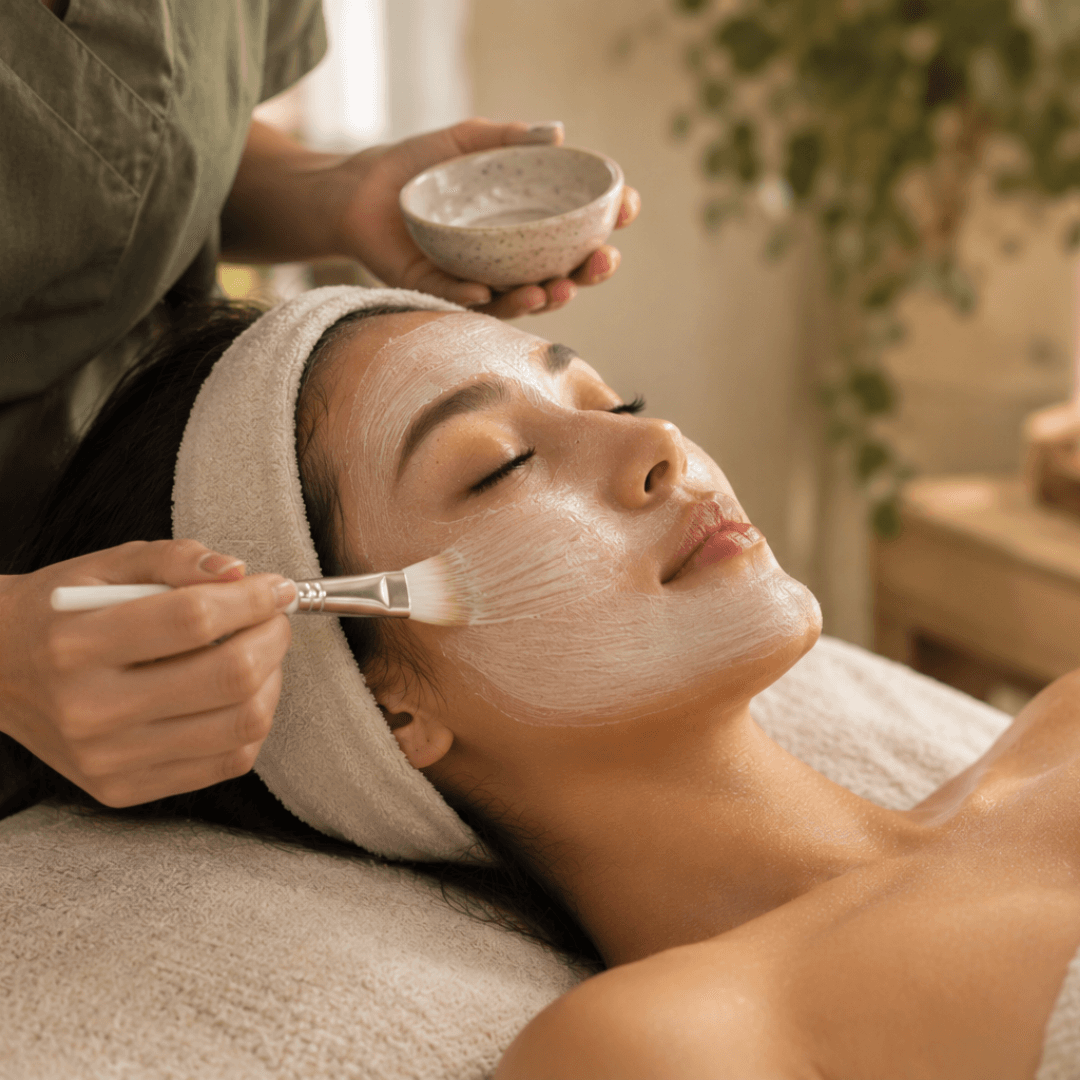
Depending on the treatment and your skin's needs, a facial may involve cleansing, exfoliation, hydration, or other targeted skincare steps.
A professional treatment can also offer dedicated time to slow down and focus on yourself. For many people, that combination of skin care and relaxation is part of what makes a facial feel restorative.
At Art of Healing, facial services and Hydrafacial treatments are among the options available for clients interested in professional skincare.
The right treatment depends on factors such as your skin type, sensitivity, current concerns, and goals. Not every facial is appropriate for every person, particularly when active acne, rosacea, eczema, or a compromised skin barrier is involved.
A professional treatment should complement—not replace—a consistent home routine and appropriate dermatological care.
When Skin Concerns Need More Than Self-Care
It's helpful to recognize the mind-body-skin connection without assuming that every skin problem is caused by stress.
Persistent acne, unexplained rashes, ongoing irritation, sudden changes in pigmentation, or painful skin symptoms may require professional evaluation.
A dermatologist can help identify possible causes and recommend evidence-based treatment. If a skincare product causes burning, swelling, or significant irritation, discontinue it and seek appropriate advice.
Holistic wellness and medical skincare can work alongside one another. You don't have to choose between taking care of your overall wellbeing and getting help for a specific skin concern.
Healthy-Looking Skin Starts With Consistent Care
Your skin responds to more than the products on your bathroom shelf. Your daily habits, sleep, environment, and stress levels all form part of the bigger picture.
That doesn't mean you need to perfect every aspect of your lifestyle to have healthy-looking skin. It means giving yourself a little more room to care for your needs—both inside and out.
At Art of Healing in Atlanta and Sandy Springs, our holistic approach to wellbeing includes professional facial treatments and Hydrafacial services alongside other personalized wellness options.
Whether you're refreshing your skincare routine or making more time for yourself, start with the basics: protect your skin, prioritize rest, and choose habits you can maintain.
Because caring for your skin isn't only about what you put on it. It's also about how you care for yourself every day.
Want to talk this through with a practitioner?
Book an appointment