Discover how repeated movement patterns, prolonged sitting, and daily habits can affect comfort and mobility—and how massage may support body awareness.
Have you ever caught yourself leaning toward your computer, raising one shoulder while talking on the phone, or always carrying your bag on the same side?
These movements may seem insignificant. You probably don't even notice them most of the time.
But daily life is full of repeated movements and positions. The way you sit at your desk, reach for objects, walk up stairs, exercise, and rest can gradually become familiar patterns.
Your nervous system is constantly learning from repetition. With practice, movements that once required conscious attention can become more automatic.
That's generally a good thing. It allows you to perform everyday tasks without having to think through every step.
However, some repeated patterns may become less comfortable or less adaptable when your routine offers little variation, your workload exceeds your capacity, or you continue moving in a way that aggravates an existing problem.
The goal isn't to make every movement perfect. It's to help your body maintain the strength, mobility, and flexibility to handle the demands of everyday life.
How Does Your Body Learn Movement Habits?
Your brain, spinal cord, nerves, muscles, joints, and sensory systems work together to coordinate movement.
When you repeat an activity, your nervous system becomes more familiar with the sequence. Over time, it can perform many parts of that activity with less conscious effort.
Think about learning to drive, typing on a keyboard, or performing a familiar exercise. What once required concentration may eventually feel almost automatic.
Movement habits develop in a similar way.
You might repeatedly lean forward while working because your screen is positioned too far away. You might favor one leg while standing because it feels more comfortable in the moment. You might shorten your stride when walking because of discomfort or fatigue.
These patterns can become your default—not necessarily because they are inherently wrong, but because they are familiar and repeatedly reinforced.
Familiar movement isn't always the same as efficient movement.
An efficient movement pattern is one that meets the demands of the task without unnecessary effort, while allowing you to adapt when conditions change.
How Massage Therapy Fits Into Movement Awareness
Massage therapy focuses on soft tissues, including muscles and other connective tissues. Depending on the technique, it may help some people experience short-term relief from discomfort, reduced feelings of tension, or improved relaxation.
But how does that relate to movement habits?
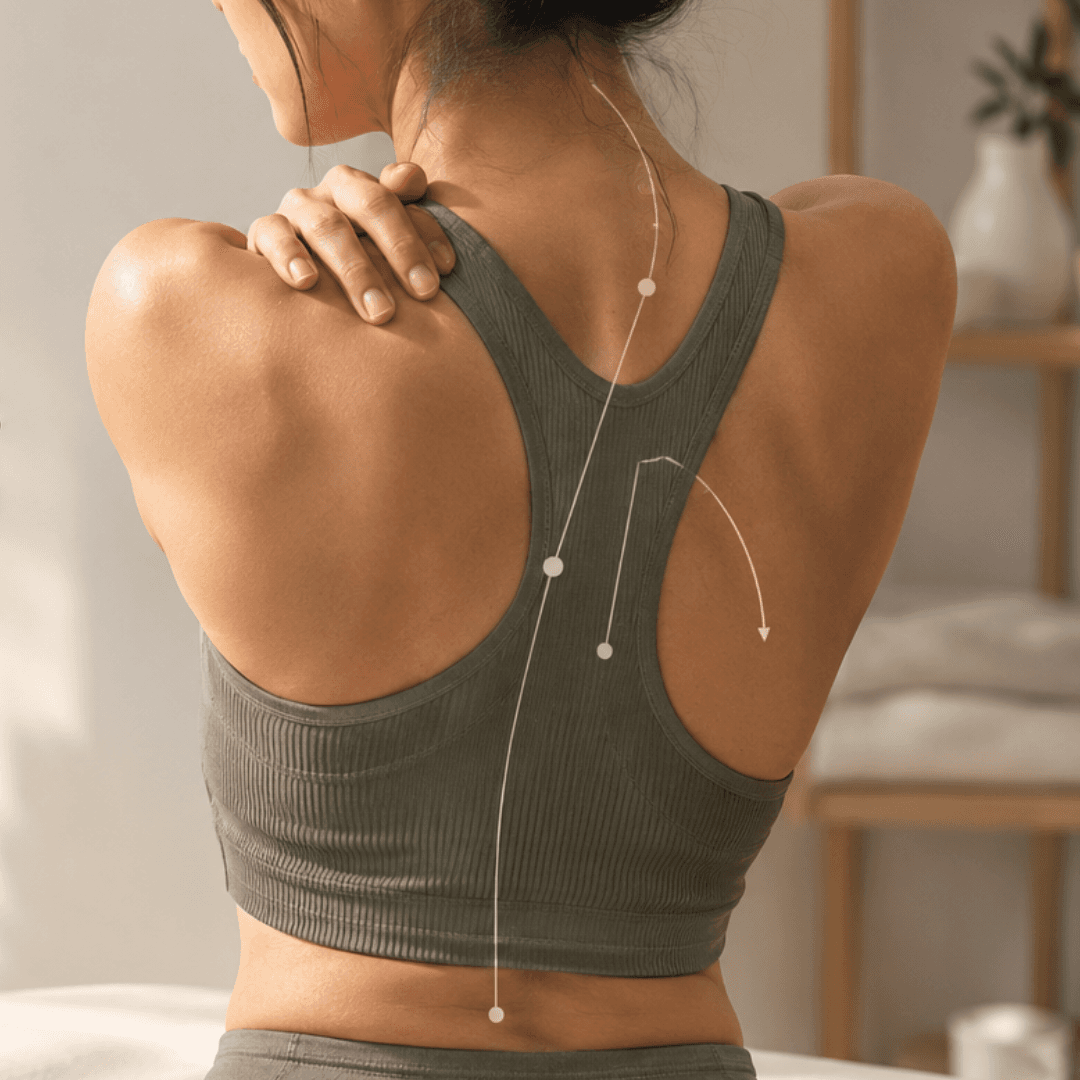
Sometimes, discomfort makes you more aware of how you hold or move your body. A massage session can provide an opportunity to pay attention to areas that feel tight, tender, or fatigued.
For some individuals, feeling more comfortable afterward may make everyday movement feel easier. However, massage does not automatically retrain movement patterns, correct posture, or resolve the underlying cause of persistent pain.
Lasting changes in movement usually require a broader approach that considers the activity, the individual's physical capacity, and any contributing health concerns.
At Art of Healing, massage therapy can be part of a personalized wellness routine. Depending on your needs, it may complement appropriate movement exercises, strength training, ergonomic adjustments, or guidance from a physical therapist or other qualified professional.
Five Ways to Help Your Body Build Better Movement Habits
You don't need to monitor every movement throughout the day. In fact, constantly worrying about your posture can make ordinary activities feel unnecessarily complicated.
Start with small, practical changes.
1. Add More Movement Variety
Instead of trying to maintain one perfect sitting or standing position, change positions throughout the day.
Stand for a meeting, take a short walk between tasks, or alternate how you approach activities when it is comfortable and practical.
Variety helps you avoid placing the same demands on your body continuously.
2. Make Your Environment Work for You
If your desk encourages you to lean forward, adjust your monitor, chair, or keyboard placement.
Keep frequently used objects within comfortable reach. If you spend long periods working at a computer, consider whether your setup allows you to change positions easily.
Small environmental adjustments can reduce the need to repeatedly reach, twist, or strain.
3. Practice Movements You Want to Make Easier
If a particular movement feels awkward but is appropriate for you, gradual practice can help build familiarity.
For example, you might practice a comfortable squat, controlled shoulder movement, or balance exercise at a level suited to your ability.
Start within a comfortable range and progress gradually. If movement causes significant pain or you have an existing injury, seek appropriate guidance before changing your routine.
4. Build Strength and Mobility for Your Daily Activities
Your body adapts to the demands you place on it.
Strength training, mobility work, balance exercises, and regular physical activity can help support the physical capacity needed for everyday tasks.
You don't need an elaborate program. Choose activities that match your goals, current ability, and health needs.
5. Pay Attention to Repeated Discomfort
If the same area becomes uncomfortable every time you perform a particular task, notice the pattern.
Consider the duration of the activity, the intensity of the workload, your recovery time, and whether a different setup or movement strategy feels better.
If symptoms persist, worsen, or interfere with daily life, a qualified healthcare professional can help identify possible causes and guide appropriate care.
Help Your Body Move With More Ease
Your body is remarkably adaptable. It learns through repetition, adjusts to the demands of daily life, and develops familiar ways of completing tasks.
But you aren't locked into every movement habit you've developed.
Changing your environment, adding movement variety, building strength, and paying attention to recurring discomfort can help you make more informed choices about how you move.
Massage therapy may complement that process by offering a way to address some forms of muscle discomfort and make time for physical self-care. The best approach depends on your individual needs and whether other interventions are appropriate.
At Art of Healing in Atlanta and Sandy Springs, massage therapy is one of the services available to support your broader wellness routine.
You don't need perfect posture or flawless movement. You need a body that can adapt, recover, and keep participating in the activities that matter to you.
Want to talk this through with a practitioner?
Book an appointment