
Introduction
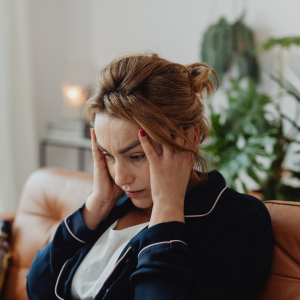
You’ve tried to relax.
You’ve taken deep breaths, stepped away from stress, maybe even told yourself to “just calm down.”
But somehow… the anxiety is still there.
That lingering tension in your chest. The racing thoughts that won’t fully quiet down. The feeling that your body is always slightly on edge.
If this sounds familiar, there’s nothing random about it—and it’s not just “in your head.”
Your nervous system may be stuck in a state of survival.
Understanding Your Nervous System and Anxiety
Your nervous system controls how your body responds to stress, danger, and even everyday situations.
When it’s balanced, you can move between:
- Feeling alert and productive
- Feeling calm and relaxed
But when it’s dysregulated, your body can get stuck in “fight or flight” mode—even when there’s no real threat.
This is why you may:
- Feel anxious for no clear reason
- Struggle to fully relax
- Experience constant mental or physical tension
Why Relaxation Alone Isn’t Working
Most people try surface-level solutions:
- Deep breathing
- Taking breaks
- Watching something to “zone out”
While these can help temporarily, they don’t always address the deeper issue—a nervous system that doesn’t feel safe yet.
If your body is still holding onto stress, it won’t easily switch off.
That’s why anxiety can persist, even when you’re doing all the “right” things.
The Root Cause: A Body That Hasn’t Fully Released Stress
Anxiety isn’t just mental—it’s physical.
Your body stores stress in different ways:
- Tight shoulders and neck
- Shallow breathing
- Restlessness or fatigue
- Digestive discomfort
Over time, this builds up and keeps your nervous system in a heightened state.
Until that stored tension is released, true relaxation can feel out of reach.
A Different Approach: Supporting Your Nervous System Naturally
Instead of forcing yourself to relax, the goal is to help your body feel safe enough to relax on its own.
This is where holistic therapies come in.
1. Acupuncture for Nervous System Regulation
Acupuncture helps:
- Calm the nervous system
- Reduce stress hormones
- Promote deeper relaxation
- Improve sleep quality
By stimulating specific points, it signals your body to shift out of survival mode and into a more balanced state.
2. Cupping Therapy for Physical Tension
Cupping therapy helps release:
- Built-up muscle tension
- Stagnation in blood flow
- Physical tightness linked to stress
When the body relaxes physically, the mind often follows.
3. Emotional Support & Mind-Body Connection
Sometimes, anxiety is connected to deeper emotional patterns.
Addressing both the mind and body allows for:
- Greater awareness of stress triggers
- Healthier coping mechanisms
- Long-term emotional balance
What True Calm Actually Feels Like
When your nervous system is supported, you may begin to notice:
- A deeper, more natural sense of calm
- Less reactivity to stress
- Improved focus and clarity
- Better sleep and energy levels
It’s not about eliminating stress completely—it’s about building resilience and balance.
Conclusion
If you’ve been trying to relax but still feel anxious, your body may be asking for a different kind of support.
Not more effort—but a deeper level of care.
When you begin to work with your nervous system instead of against it, real change becomes possible.
You deserve to feel calm—not just for a moment, but in a way that lasts.
Follow Us