
Introduction
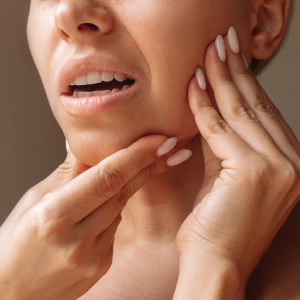
Do you catch yourself clenching your jaw without realizing it?
Maybe you wake up with tension in your face, headaches behind your eyes, or soreness around your neck and shoulders.
What many people don’t realize is that jaw tightness is often deeply connected to stress and nervous system tension.
And over time, that constant tension can contribute to recurring headaches, facial discomfort, and overall physical strain.
Your body holds stress in more places than you think—and the jaw is one of the most common.
Why the Jaw Holds So Much Tension
The jaw is closely connected to the body’s stress response.
When you’re overwhelmed, anxious, or emotionally tense, the body naturally contracts muscles as a form of protection.
This often shows up as:
- Jaw clenching
- Teeth grinding
- Tightness around the face and temples
- Neck and shoulder tension
Many people do it unconsciously throughout the day—or even while sleeping.
How Jaw Tightness Can Trigger Headaches
The muscles in your jaw are connected to the muscles around your:
- Head
- Neck
- Shoulders
- Temples
When these muscles stay tight for long periods, they can create tension patterns that lead to:
- Tension headaches
- Facial pressure
- Neck pain
- Headaches behind the eyes
This is why headaches are often more than just a “head” issue—they can start in the jaw and nervous system.
The Stress Connection
Stress keeps the body in a heightened state of alertness.
When the nervous system never fully relaxes:
- Muscles remain contracted
- Recovery becomes harder
- Tension continues building over time
Without realizing it, the body stays physically braced throughout the day.
Eventually, this constant tension begins showing up as pain, tightness, and headaches.
A Different Approach: Releasing Tension at the Source
Long-term relief often comes from addressing both the physical tension and the stress patterns behind it.
1. Massage Therapy for Head, Neck, and Jaw Tension
Massage therapy helps release tight muscles around the neck, shoulders, and jaw while promoting relaxation throughout the nervous system.
2. Dry Needling for Trigger Points and Muscle Tightness
Dry needling targets deep muscular trigger points that may contribute to jaw pain, tension headaches, and chronic tightness.
3. Reiki for Nervous System Relaxation
Reiki encourages the body to move into a calmer, more regulated state, helping reduce the physical tension associated with chronic stress.
Signs Your Jaw Tension May Be Stress-Related
Some common signs include:
- Clenching during stressful moments
- Morning headaches or jaw soreness
- Clicking or tightness in the jaw
- Neck and shoulder stiffness
- Frequent tension headaches
The body often reveals stress physically long before we consciously recognize it emotionally.
What Happens When the Body Finally Relaxes
As tension begins to release, you may notice:
- Fewer headaches
- Less facial tightness
- Easier breathing and relaxation
- Reduced neck and shoulder pain
- A calmer overall feeling in the body
Sometimes relief comes not from forcing the body to “push through,” but from finally allowing it to let go.
Conclusion
Jaw tightness is often more than a physical habit—it’s your body’s response to ongoing stress and tension.
When that stress keeps building without release, headaches and discomfort can become part of daily life.
But your body is capable of softening, releasing, and resetting when given the right support.
And sometimes, healing begins with finally noticing how much tension you’ve been carrying all along.
Follow Us