
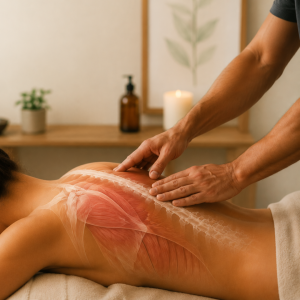
When we think about joint health, it’s easy to focus on the joints themselves. Achy knees, stiff shoulders, or tight hips often seem like isolated problems. But in reality, your joints rarely work alone. Every movement you make depends on the health of the muscles, tendons, fascia, and other soft tissues surrounding them.
Whether you’re reaching overhead, climbing stairs, or simply getting out of bed, your muscles provide the support and stability that allow your joints to move efficiently. When those muscles become tight, weak, or overworked, your joints often have to compensate—leading to discomfort, stiffness, and restricted movement.
At Art of Healing, we take a whole-body approach to movement and recovery. Through massage therapy and complementary holistic treatments, we help support healthy muscles so your joints can move more comfortably and naturally.
Your Muscles Are Your Joints’ Support System
Think of your joints as hinges and your muscles as the team that controls how those hinges move.
Healthy muscles:
- Stabilize your joints
- Guide proper movement patterns
- Absorb impact during daily activities
- Reduce unnecessary stress on cartilage and ligaments
- Help maintain balance and coordination
When muscles are functioning well, joints move smoothly and efficiently. But when muscles become tight or imbalanced, they can pull joints out of their natural alignment, making movement feel stiff or uncomfortable.
Why Soft Tissue Health Matters
Soft tissues—including muscles, fascia, tendons, and ligaments—work together to support every movement you make.
Over time, factors such as stress, repetitive movements, prolonged sitting, athletic activity, or previous injuries can cause these tissues to become tight or restricted.
This may lead to:
- Reduced flexibility
- Limited range of motion
- Muscle soreness
- Joint stiffness
- Poor posture
- Compensatory movement patterns
Often, the discomfort you feel in a joint actually begins in the surrounding soft tissues.
The Connection Between Muscle Tension and Joint Mobility
Have you ever noticed your shoulders feel stiff after a stressful week? Or your hips tighten after spending hours at your desk?
When muscles remain tense, they limit how freely a joint can move.
For example:
Tight Neck Muscles
May contribute to reduced mobility in the cervical spine and tension headaches.
Tight Hip Flexors
Can affect the lower back, hips, and knees by altering posture and walking mechanics.
Tight Calves
May reduce ankle mobility, influencing balance and increasing strain on the knees.
Improving muscle flexibility often allows joints to move with greater ease and less compensation.
Why Mobility Is About More Than Stretching
Stretching certainly has its place, but healthy movement requires more than flexible muscles.
Joint mobility also depends on:
- Healthy fascia
- Muscle coordination
- Nervous system regulation
- Circulation
- Proper movement patterns
When all of these systems work together, your body moves more efficiently with less unnecessary strain.
How Massage Therapy Supports Healthy Movement
Massage therapy isn’t just about relaxation—it also supports the health of the muscles and soft tissues that keep your joints functioning well.
Depending on your needs, massage may help:
- Reduce muscle tightness
- Improve circulation
- Encourage healthy range of motion
- Relieve soft tissue restrictions
- Support recovery after physical activity
- Promote relaxation and stress relief
Each treatment is tailored to your body, helping address areas of tension while supporting overall mobility and well-being.
Supporting Joint Health Through a Holistic Approach
Because movement involves the entire body, many people benefit from combining massage therapy with other complementary treatments.
Acupuncture
Acupuncture may help promote circulation, encourage relaxation, and support the body’s natural healing processes.
Dry Needling
For individuals experiencing muscular trigger points, dry needling may help reduce muscle tension and improve movement.
Cupping Therapy
Cupping may assist in relieving soft tissue tightness and supporting healthy circulation.
Together, these therapies address both muscular function and whole-body wellness.
Everyday Habits That Keep Joints Moving Well
Taking care of your muscles each day can help support long-term joint health.
Simple habits include:
- Moving regularly throughout the day
- Stretching after physical activity
- Staying hydrated
- Strengthening supporting muscles
- Maintaining good posture
- Prioritizing recovery and sleep
- Scheduling regular massage therapy when appropriate
Small, consistent habits often have the greatest impact over time.
Healthy Movement Starts With Healthy Muscles
Your joints don’t work in isolation—they rely on strong, balanced, and healthy muscles to move comfortably every day. Caring for your soft tissues isn’t just about relieving soreness; it’s about supporting the foundation of how your body moves.
At Art of Healing in Atlanta & Sandy Springs, our holistic approach combines massage therapy with complementary treatments to help improve mobility, reduce muscle tension, and support long-term movement and wellness.
Follow Us