
Have You Ever Wondered Why an Old Injury Still Feels “Off”?
You twisted your ankle years ago. Your shoulder healed after a sports injury. Maybe you’ve recovered from surgery and no longer feel pain every day. Yet somehow, your body doesn’t move quite the same.
If this sounds familiar, you’re not imagining it. Even after an injury has healed, scar tissue can continue to influence the way your muscles, joints, and connective tissues work together. Over time, these subtle changes may lead to stiffness, reduced flexibility, or discomfort that seems unrelated to the original injury.
At Art of Healing, we often remind patients that healing isn’t just about relieving pain—it’s about restoring healthy movement. Understanding how scar tissue affects the body is an important step toward supporting long-term mobility and overall wellness.
What Is Scar Tissue?
Scar tissue is a natural part of the body’s healing process. Whenever muscles, tendons, ligaments, or other soft tissues are injured, your body produces collagen fibers to repair the damage.
This process is essential for recovery, but scar tissue isn’t identical to the healthy tissue it replaces. It tends to be denser and less flexible, which can affect how easily surrounding tissues move and stretch.
In many cases, scar tissue causes no noticeable problems. However, when it forms around muscles or connective tissue that experience frequent movement, it may contribute to ongoing restrictions.
Signs an Old Injury May Still Be Affecting You
Not all lingering effects are painful. Sometimes your body simply adapts in ways you don’t immediately notice.
You may experience:
- Persistent stiffness, especially in the morning
- Reduced flexibility or range of motion
- Tight muscles that don’t improve with stretching
- Recurring aches during exercise
- One side of your body feeling weaker or less mobile
- Difficulty performing movements that once felt natural
These changes often develop gradually, making them easy to overlook until they begin interfering with daily activities.
Why Movement Restrictions Can Affect More Than One Area
The body works as one interconnected system. When one area loses mobility, other muscles and joints often compensate to keep you moving.
For example:
- An old ankle injury may change your walking pattern and place extra stress on your knees or hips.
- Scar tissue around the shoulder can alter posture and contribute to neck tension.
- Previous muscle strains may affect balance, flexibility, or athletic performance years later.
Rather than focusing only on the painful area, it’s important to consider how the entire body moves together.
How Dry Needling May Support Recovery
For people experiencing muscle tightness or restricted movement after an injury, dry needling may be recommended as part of a comprehensive treatment plan.
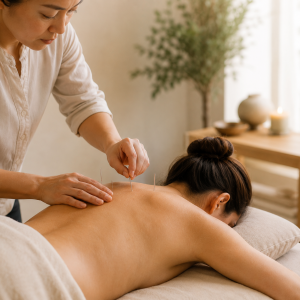
Dry needling uses thin, sterile needles to target tight muscles and trigger points. The goal is to improve muscle function, encourage relaxation, and support healthier movement patterns.
While every person’s experience is different, dry needling may help:
- Improve muscle mobility
- Reduce muscle tension
- Support circulation to affected tissues
- Restore more natural movement
- Complement rehabilitation exercises
It’s important to remember that dry needling doesn’t “break up” scar tissue. Instead, it addresses muscle dysfunction and movement limitations that may develop around injured tissues, helping the body move more efficiently.
Supporting Healing with a Holistic Approach
Movement restrictions are rarely caused by a single factor. That’s why a whole-body approach often provides the greatest benefit.
Depending on your needs, your care plan may include complementary therapies such as:
Acupuncture
Acupuncture may help support the body’s natural healing processes while promoting relaxation and helping manage discomfort associated with chronic muscle tension.
Massage Therapy
Massage therapy can improve circulation, reduce muscle tightness, and support soft tissue mobility, making it a valuable complement to dry needling.
Cupping Therapy
Cupping therapy is often used to encourage blood flow and relieve muscle tension, particularly in areas affected by overuse or chronic tightness.
At Art of Healing, treatments are personalized because every injury—and every body—heals differently.
Everyday Habits That Help Maintain Healthy Movement
Professional treatment is only one part of recovery. Daily habits also play an important role in keeping your body moving well.
Simple ways to support mobility include:
- Staying active with regular movement
- Taking breaks from prolonged sitting
- Performing mobility and stretching exercises
- Maintaining good posture
- Staying hydrated
- Prioritizing quality sleep to support tissue recovery
Small, consistent habits can make a meaningful difference over time.
When Should You Seek an Evaluation?
If you’ve noticed persistent stiffness, recurring pain, or limited movement months—or even years—after an injury, it may be time to seek a professional assessment.
A thorough evaluation can help identify whether scar tissue, muscle compensation, or other movement patterns are contributing to your symptoms. Addressing these issues early may help prevent further strain and support healthier movement in the long term.
Moving Beyond Old Injuries
Just because an injury happened years ago doesn’t mean it can no longer influence how you move today. Paying attention to lingering stiffness, reduced mobility, or recurring discomfort may help you better understand what your body needs to move comfortably again.
At Art of Healing in Atlanta & Sandy Springs, we take a personalized, whole-body approach to wellness. Whether you’re recovering from an old sports injury, surgery, or everyday wear and tear, understanding the root cause of movement restrictions is the first step toward restoring balance, mobility, and confidence in your body.
Follow Us