
Introduction
When your lower back hurts, it’s natural to assume the problem is in your back.
But what if the real source of the pain is somewhere else?
One of the most overlooked causes of lower back discomfort is tightness and restricted movement in the hips.
Because the hips and lower back work closely together, limitations in one area often create strain in the other. In many cases, the back is simply compensating for what the hips aren’t doing properly.
Understanding this connection can help explain why some back pain keeps returning despite stretching, rest, or temporary relief.
How the Hips and Lower Back Work Together
Your hips are designed to provide mobility and movement.
Your lower back, on the other hand, is designed to provide stability and support.
When the hips move well, the lower back doesn’t have to work as hard.
But when the hips become tight or restricted, the lower back often compensates by taking on extra movement and stress.
Over time, this can lead to:
- Lower back pain
- Muscle tightness
- Reduced mobility
- Increased strain during everyday activities
Signs Your Hips May Be Contributing to Back Pain
Tight hips can show up in ways you might not immediately connect to your lower back.
Common signs include:
- Stiffness after sitting for long periods
- Tight hip flexors
- Discomfort when standing up
- Limited mobility during exercise
- Pain that worsens after walking or prolonged sitting
Many people focus entirely on the back without realizing the hips may be part of the problem.
Why Sitting Makes It Worse
Modern lifestyles often involve long periods of sitting.
When you sit for hours each day:
- Hip flexor muscles shorten
- Glute muscles become less active
- Mobility decreases
- The pelvis can shift out of balance
As a result, the lower back may absorb more stress during standing, walking, and movement.
This is one reason many people experience worsening back pain after spending much of the day seated.
The Compensation Cycle
When the hips lose mobility, the body adapts.
The lower back often starts moving more than it should in order to make up for restricted hip movement.
This compensation can lead to:
- Muscle tension
- Trigger points
- Chronic stiffness
- Recurring pain patterns
Over time, the body becomes stuck in a cycle where the back continues doing work the hips were meant to handle.
A Different Approach: Looking Beyond the Pain
Instead of focusing only on the area that hurts, it’s important to address the movement patterns contributing to the discomfort.
1. Dry Needling for Tight Hip Muscles
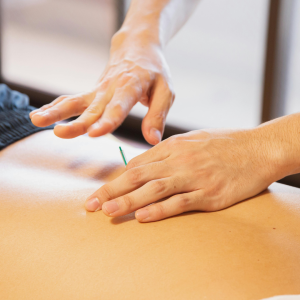
Dry needling can help release tight muscles and trigger points around the hips and surrounding areas that may be contributing to lower back strain.
By improving muscle function, the body can move more efficiently and comfortably.
2. Massage Therapy for Mobility and Recovery
Massage therapy helps reduce muscle tension, improve circulation, and support flexibility throughout the hips, lower back, and surrounding structures.
This can help decrease compensatory tension patterns.
3. Cupping Therapy for Chronic Tightness
Cupping therapy is often used to support circulation and release long-standing tension in the hips, lower back, and surrounding tissues.
It can be especially helpful for individuals who feel chronically stiff or restricted.
What Happens When Hip Mobility Improves
As hip mobility and muscle balance improve, many people notice:
- Less lower back discomfort
- Easier movement throughout the day
- Better posture
- Reduced stiffness after sitting
- Improved performance during exercise and daily activities
The goal isn’t simply to mask the pain—it’s to help the body move the way it was designed to move.
Conclusion
Lower back pain isn’t always a back problem.
Sometimes the area that hurts is simply compensating for restrictions somewhere else—especially in the hips.
By improving mobility, releasing chronic tension, and addressing the root cause of the strain, you can help your body move more efficiently and reduce recurring discomfort.
Because when the hips function better, the lower back often doesn’t have to work nearly as hard.
Follow Us